A brief look at how the late Ryuichi Sakamoto turned a dining complaint into a masterpiece of curation.

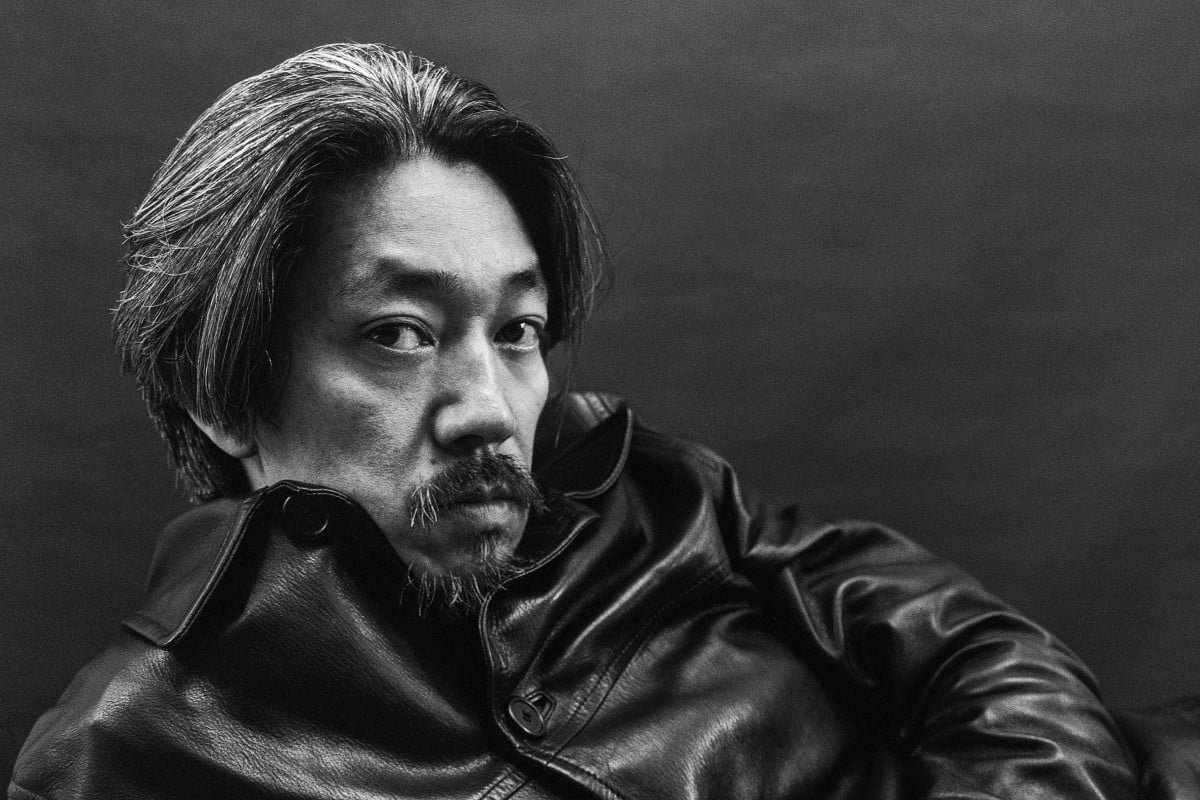
For the late, pioneering composer Ryuichi Sakamoto, the world was a soundscape that required constant, meticulous tuning. He was a regular patron of Kajitsu, a Murray Hill institution dedicated to Shojin – the austere, devotional vegan cuisine of Zen Buddhism. The food, Sakamoto noted, was exquisite, possessing the delicate beauty of the Katsura Imperial Villa. The background music, however, was “like Trump Tower.” It was a chaotic slurry of terrible Brazilian pop and American folk that, to Sakamoto’s ears, did violence to the tofu. Unable to bear the dissonance between the plate and the speaker, he sent an email to the chef not to demand silence, but to offer his services as the restaurant’s unpaid musical director.
Sakamoto’s intervention was an exercise in “sonic seasoning,” the idea that what we hear fundamentally alters the texture of what we taste. He rejected the standard “background” fare—the harmless jazz or bossa nova that fills the dead air of Manhattan dining rooms—and instead sought a sonic architecture that mirrored the food: transparent, textual, and grey. Working with a producer, he assembled a playlist that was ambient but distinct, weaving the fragile piano of Aphex Twin and the avant-garde minimalism of John Cage into a tapestry that hovered just below consciousness. He sought music that did not demand attention but rather framed the silence, allowing the diner to focus entirely on the subtle bitterness of a vegetable or the broth’s umami.
The playlist remains a fascinating artifact of Sakamoto’s uncompromising aesthetic, even if the context for it has vanished; Kajitsu closed its doors in 2022, and Sakamoto passed away shortly after. Yet, the story persists as a reminder of the often-overlooked friction between our senses. We obsess over the provenance of our ingredients and the lighting of the room, but we rarely consider that a bad song can curdle a good meal. Sakamoto taught us that a playlist is not merely filler; it is the final, invisible ingredient, and it requires just as much chef’s precision as the slicing of the daikon.